
Akita
Senshu-Koen was a working castle until 1868, as seems the case, now is a temple. Would have liked to have a walk around, but had forgotten my skates.
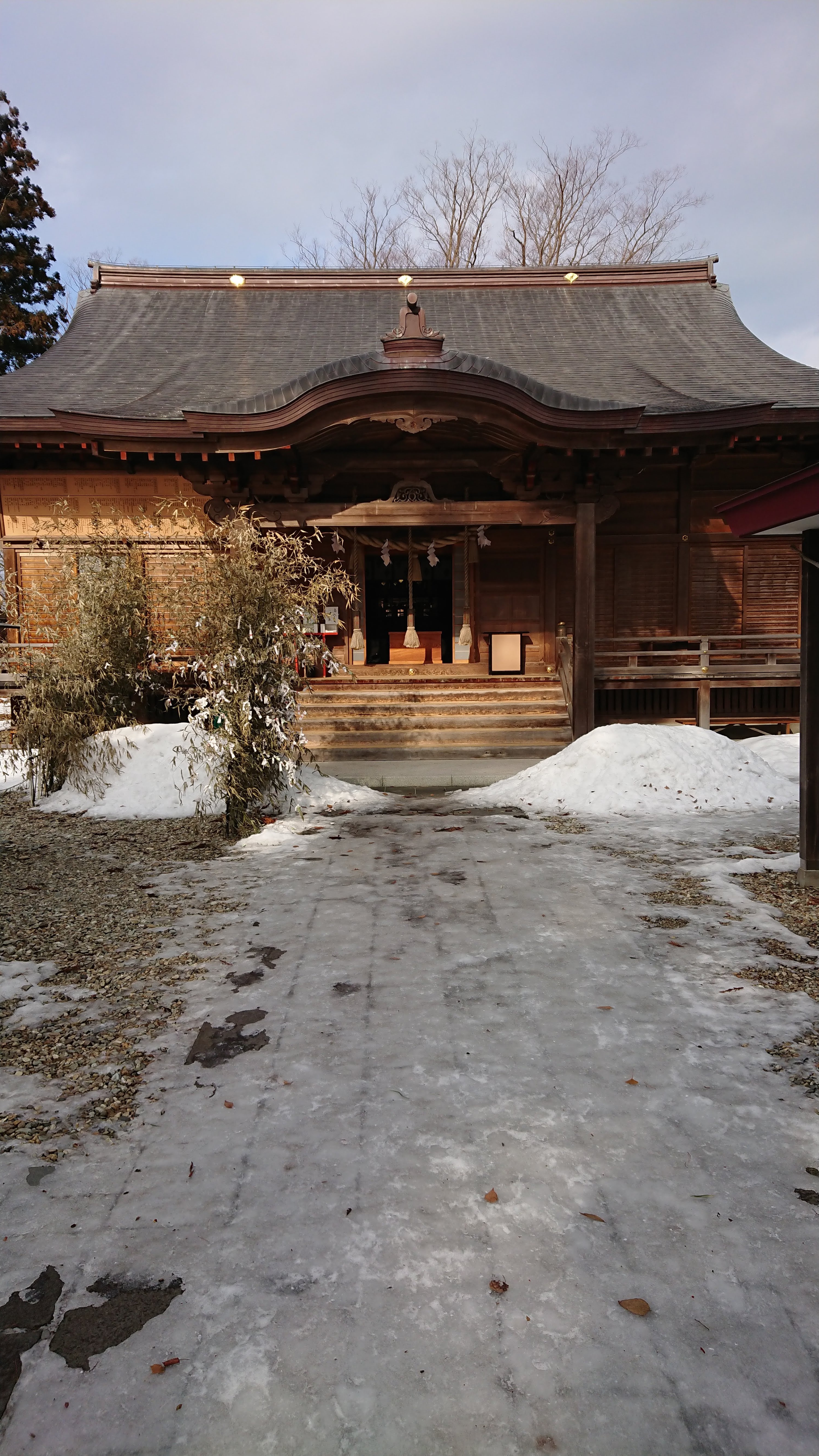
The Japanese do not salt their roads, instead ploughing and leaving huge piles of snow or removing it in wagons. The main paths are cleared but once in to the park its just left, walking, is to say, entertaining.
Honshu – Hokkaido
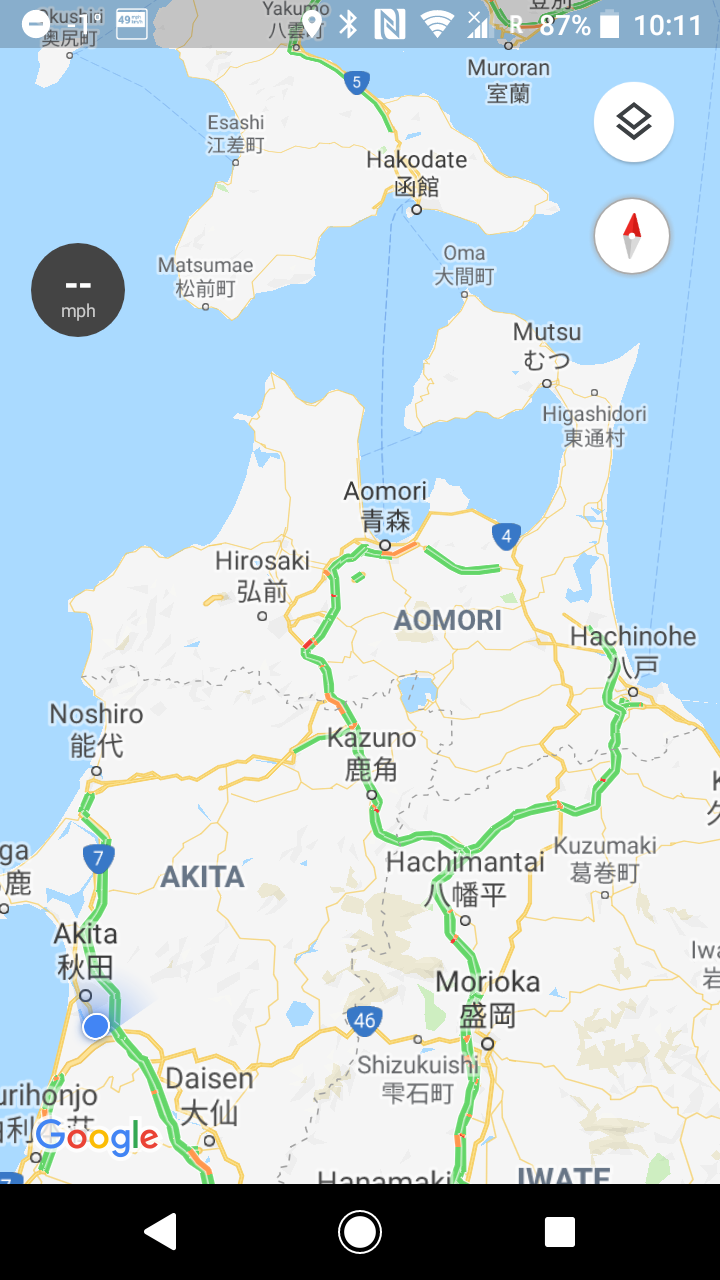
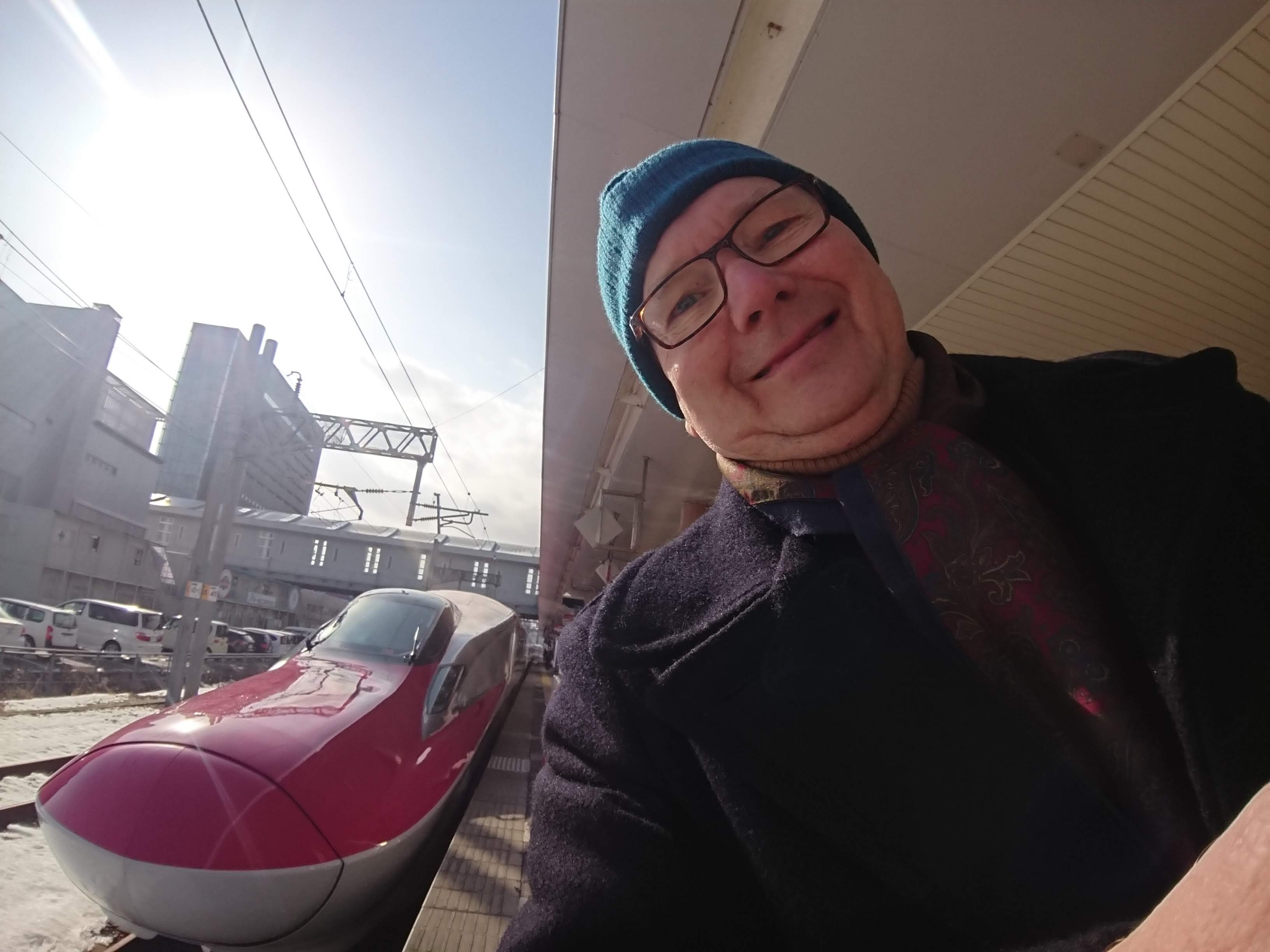
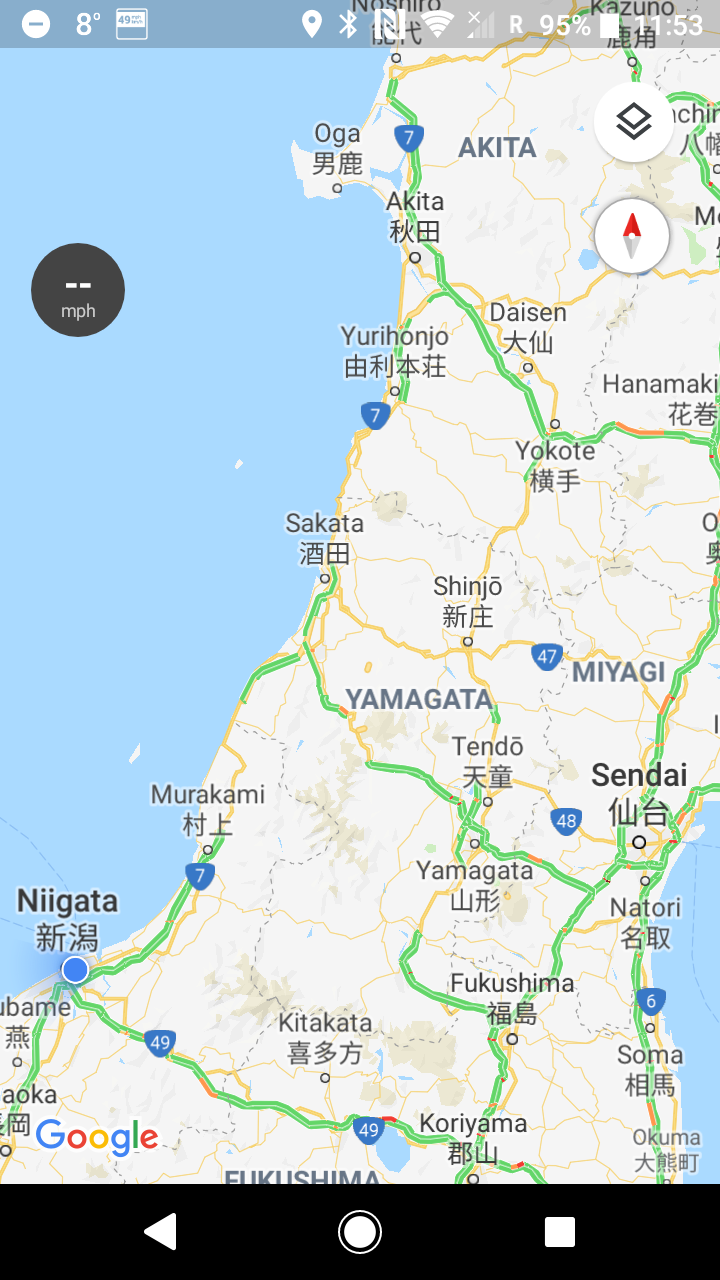
From the largest to the northernmost island, the longest in time with two changes. Akita to Morioka. change. Moriokato to Shin-Hakodate, then to Hakodate. 10:07 until 15:02.
All the Shinkansen (bullet trains) that I have travelled on, have forward facing seats. How can that be? A huge run around at the end of every journey, nope, Tokyo arrival was to a dead end. Spotted at Akita, a man walks trough each coach, operates a foot pedal on each seat or pair of seats swivels and relocks them in the opposite direction. Really clever.
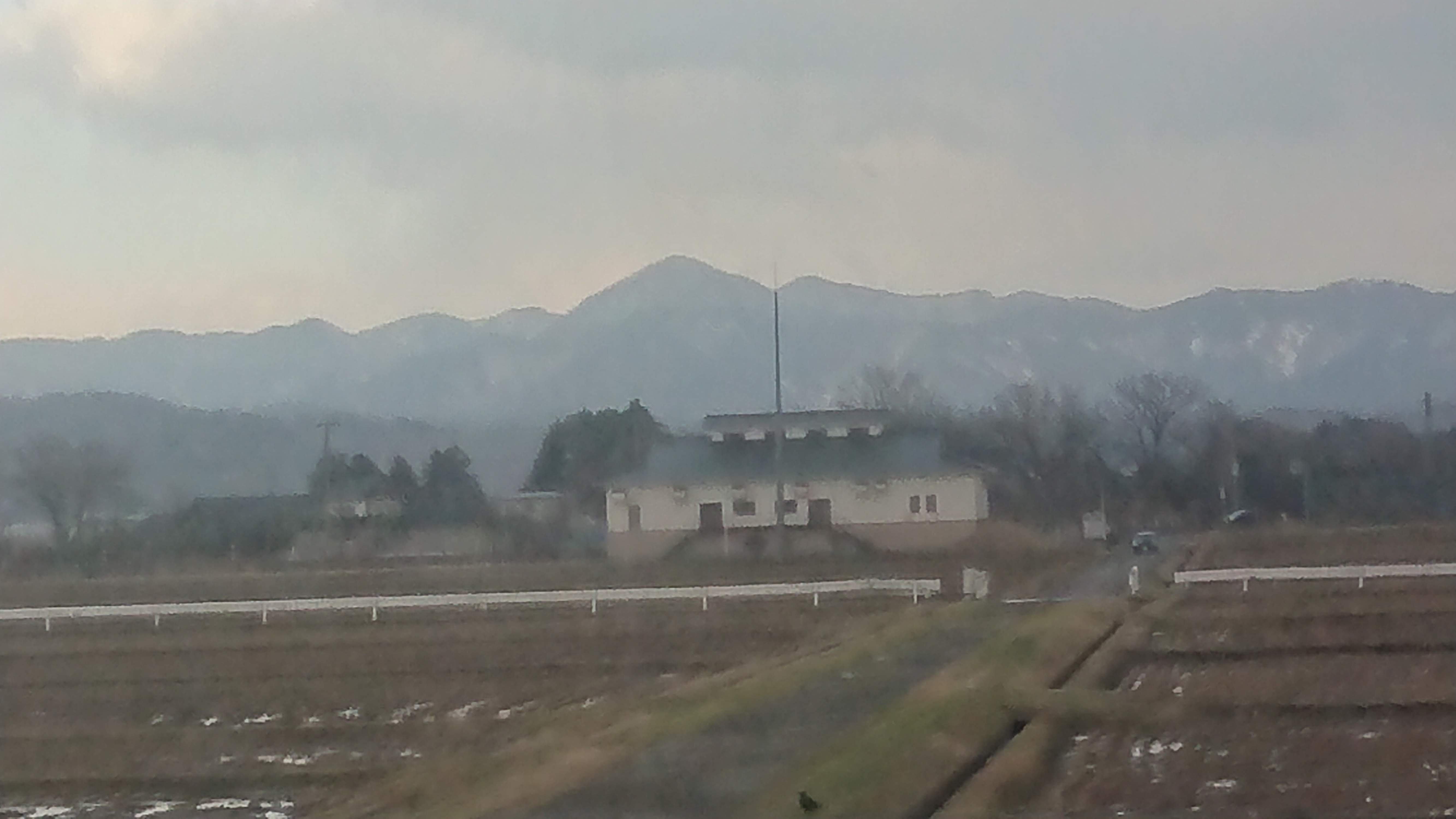
The journey starts off and within ten minutes we have mountains, with pines top to bottom, flanking the line on both sides. Whilst at the lower altitudes we still have rice paddys in the level areas.
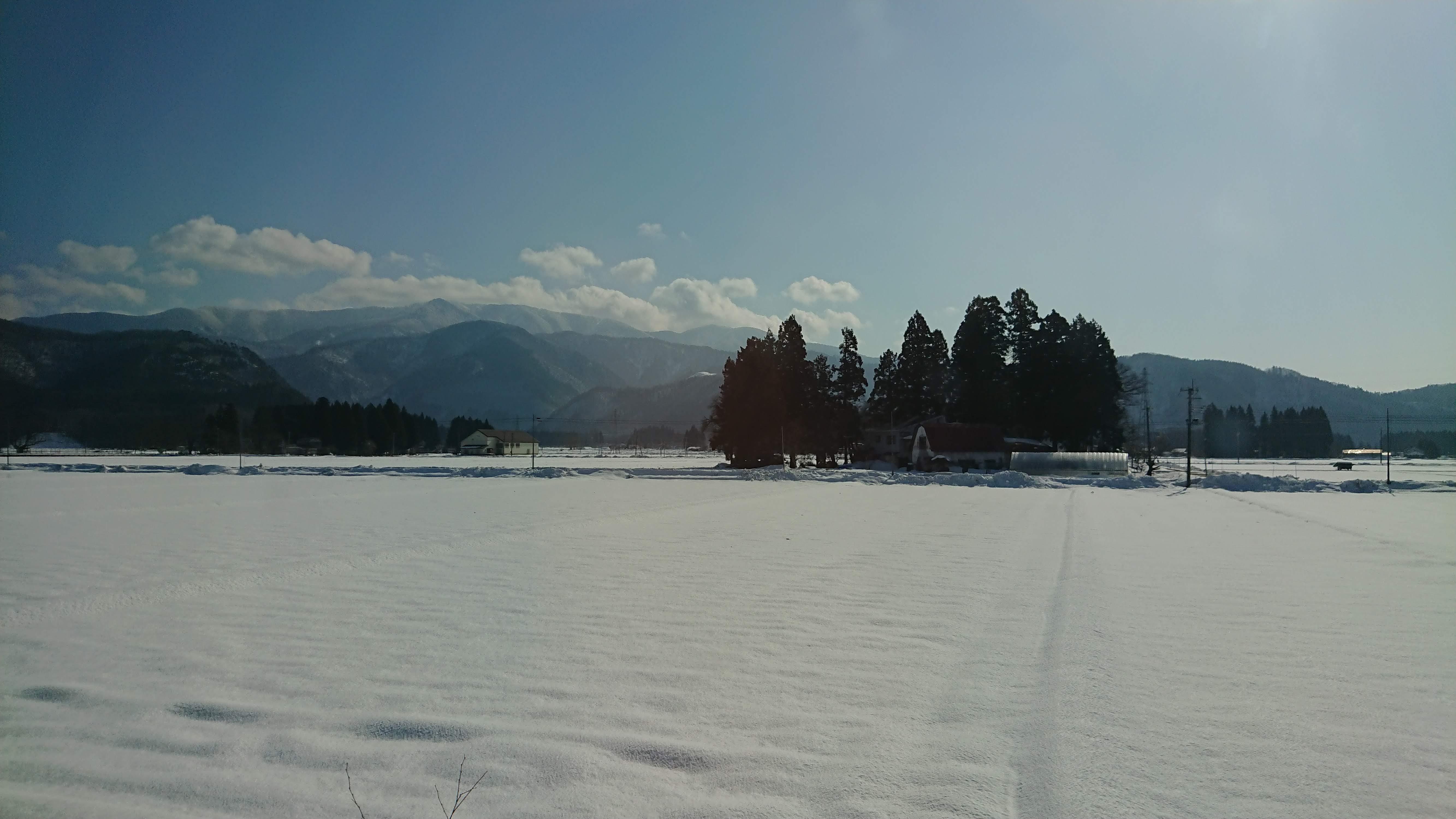
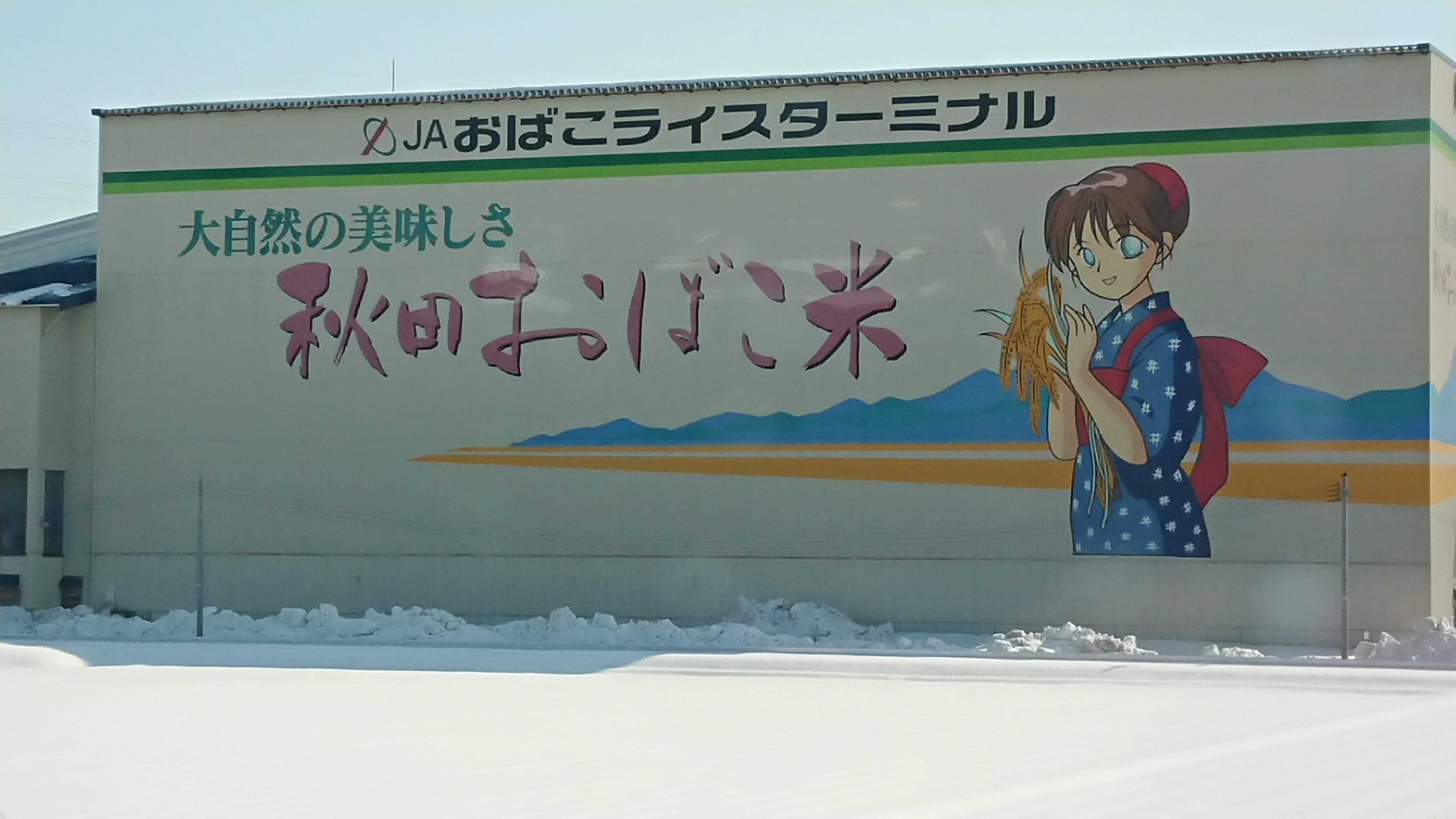
Semboku – Shizukuishi
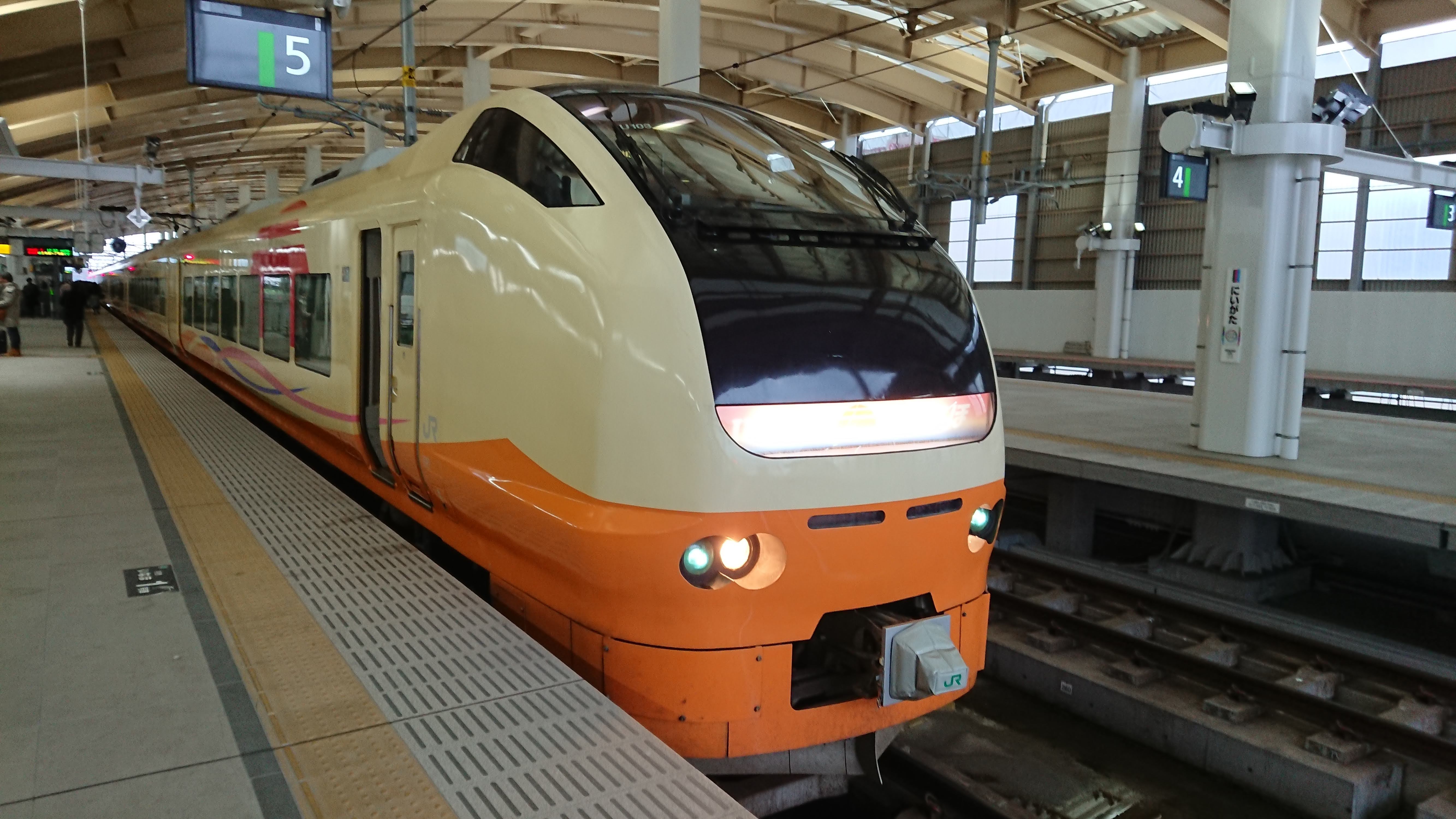
It’s stunning in its beauty, clear blue skies, down to the brown and greens of the trees, contrasting with the dazzling white of the snow. Open vistas one moment, tunnels, then sharp sided valleys with gushing stream cascading through. One can only imagine the flash of the pink Komachi Express i’m on only adding to the spleandour. Truly a winter wonderland.
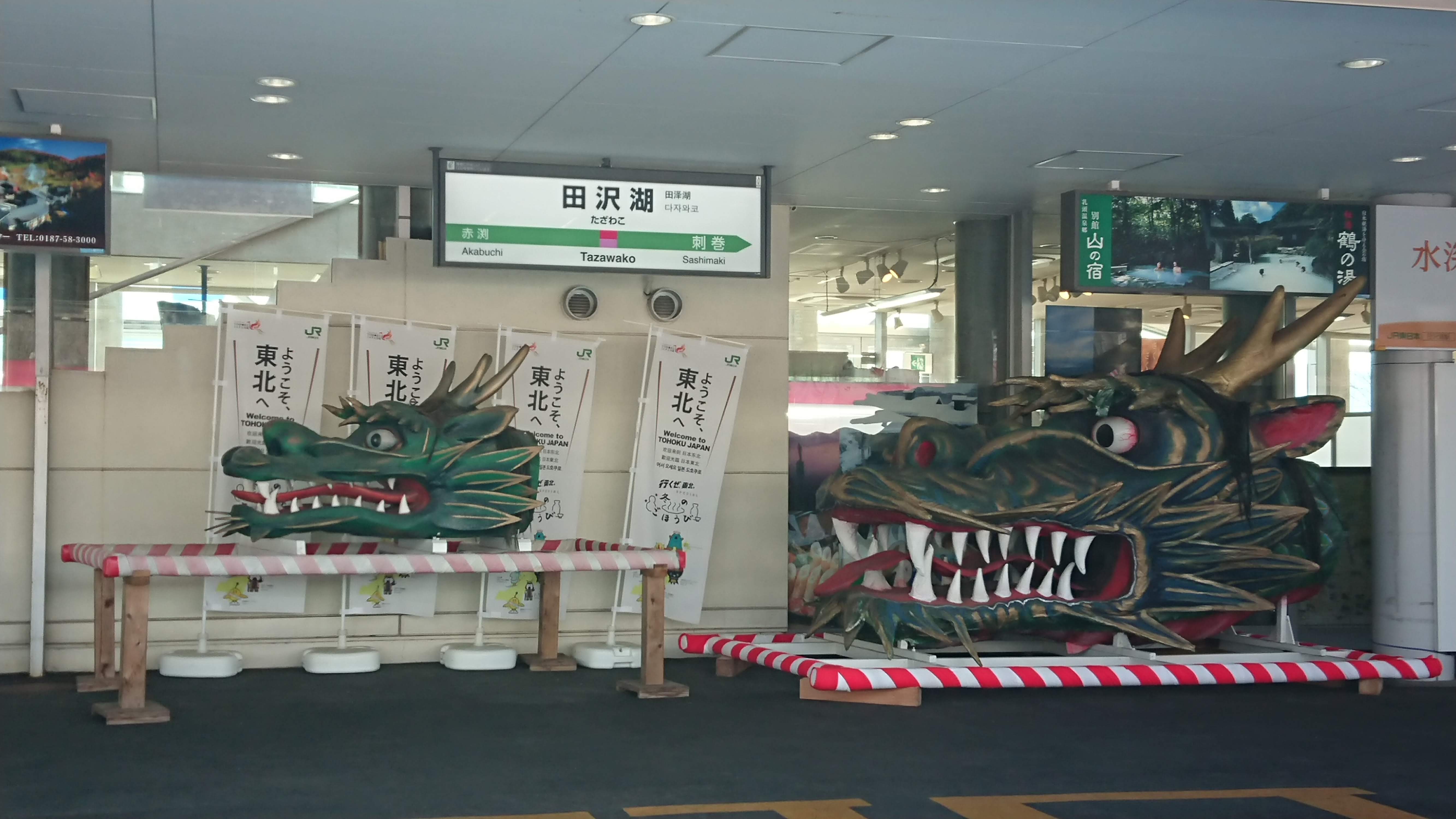
Morioka
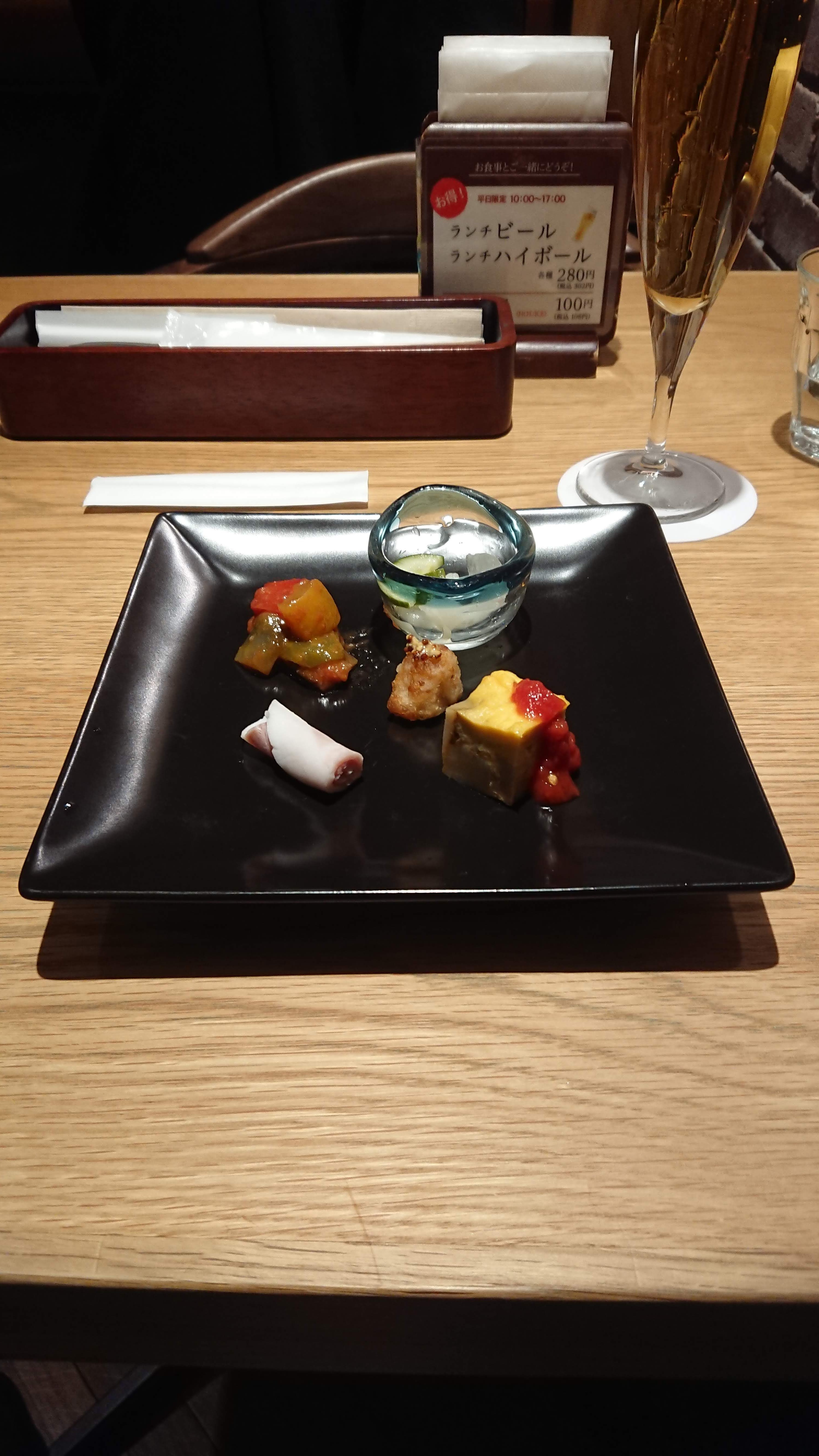
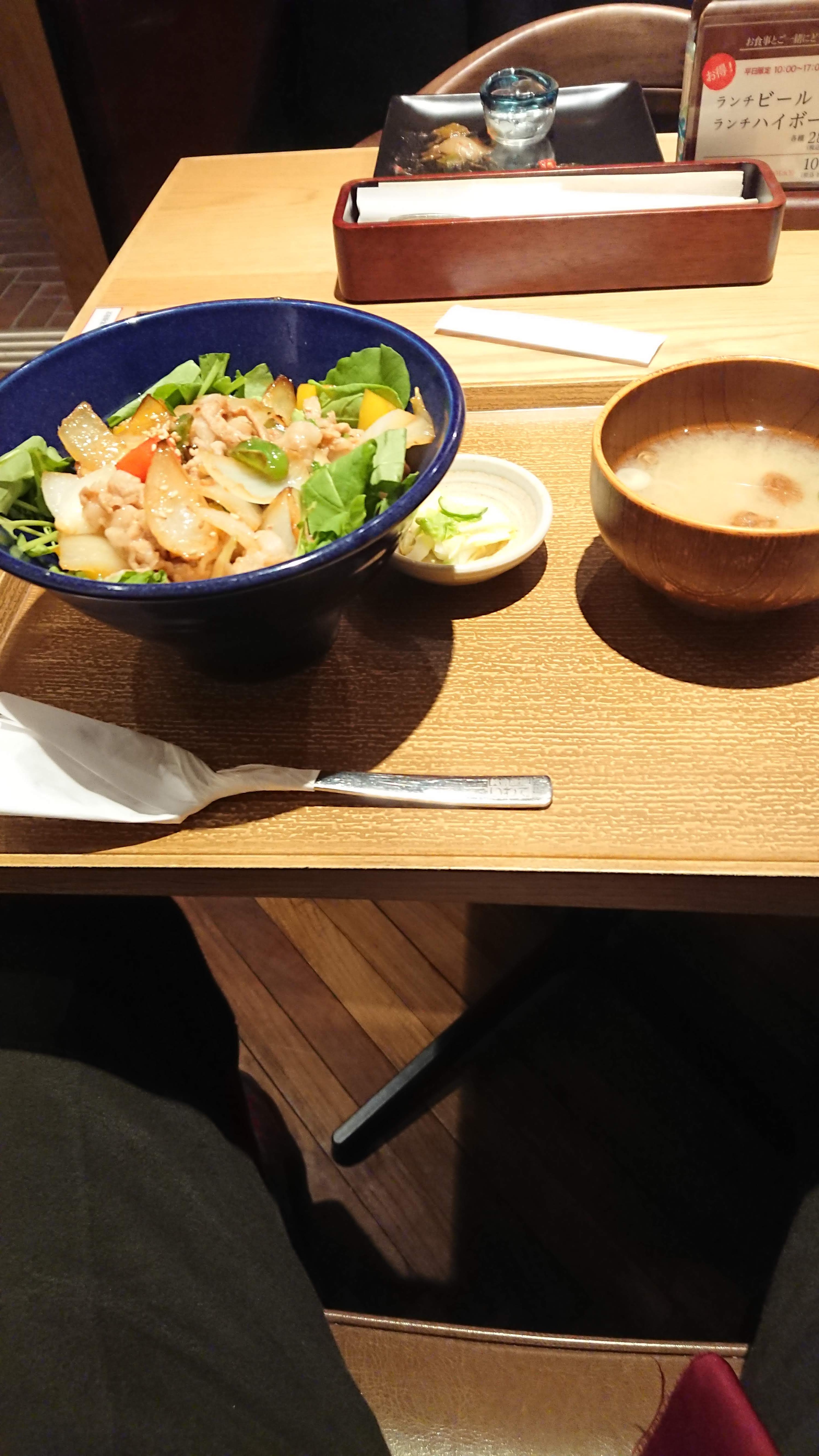
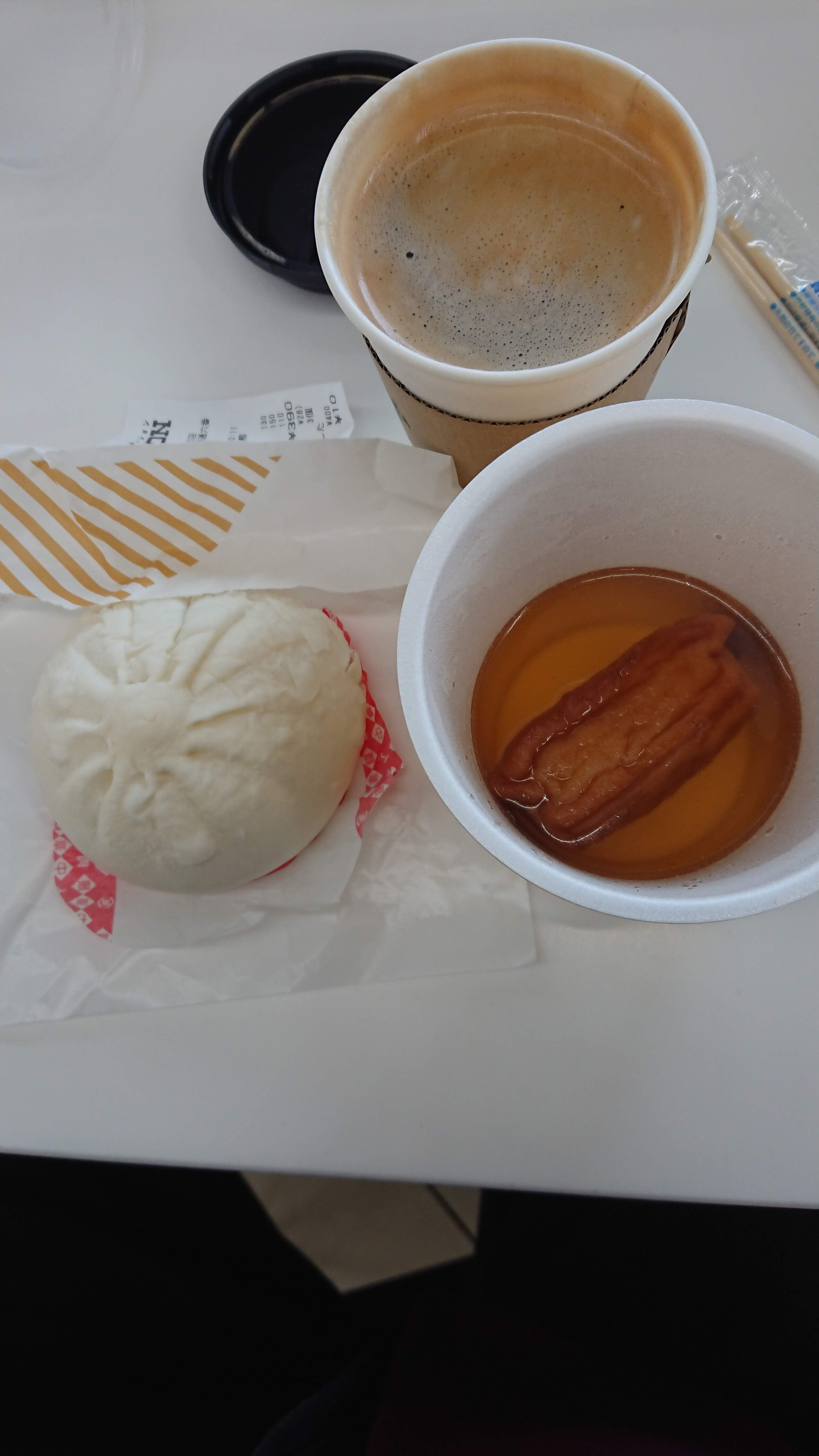
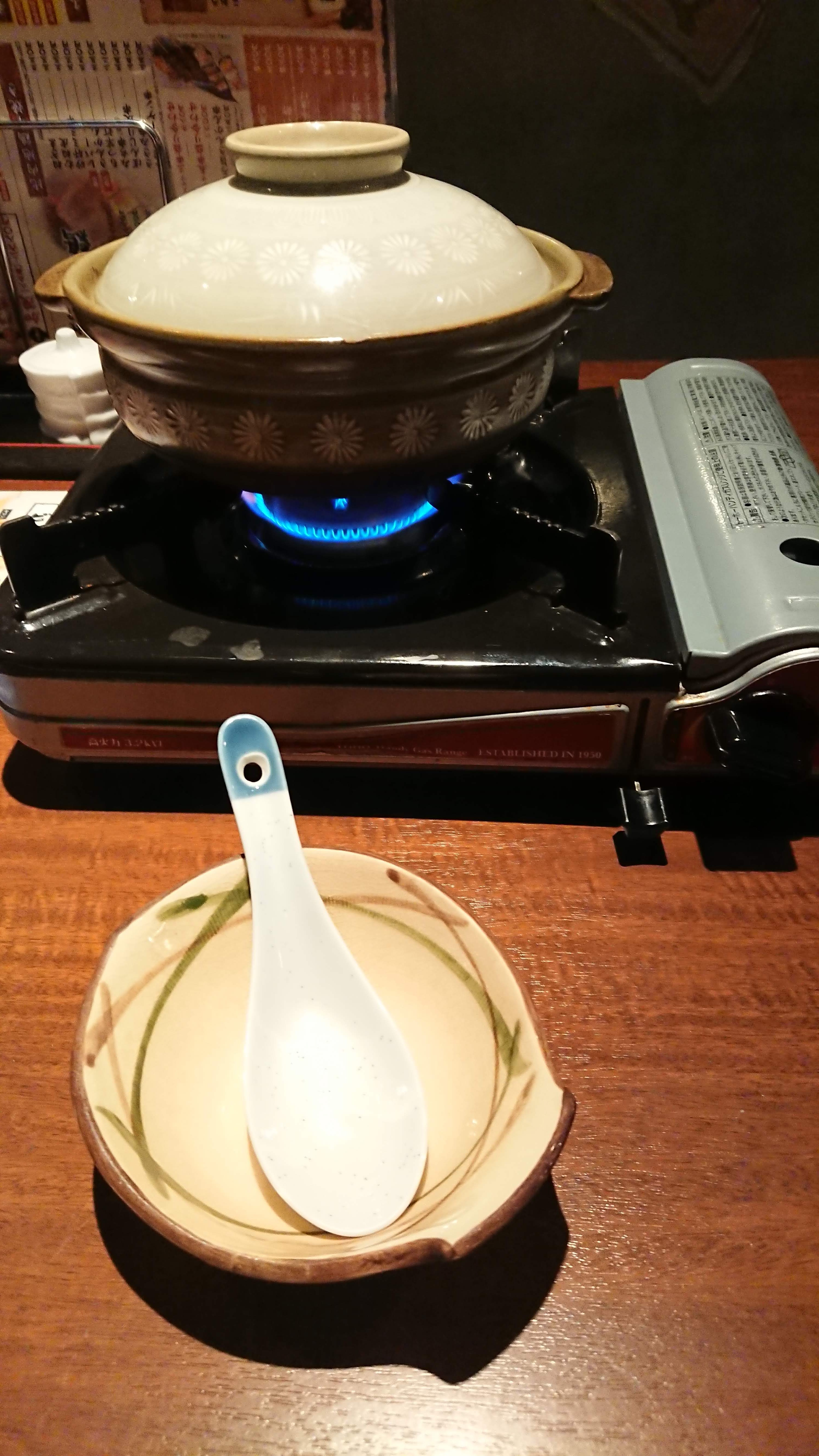
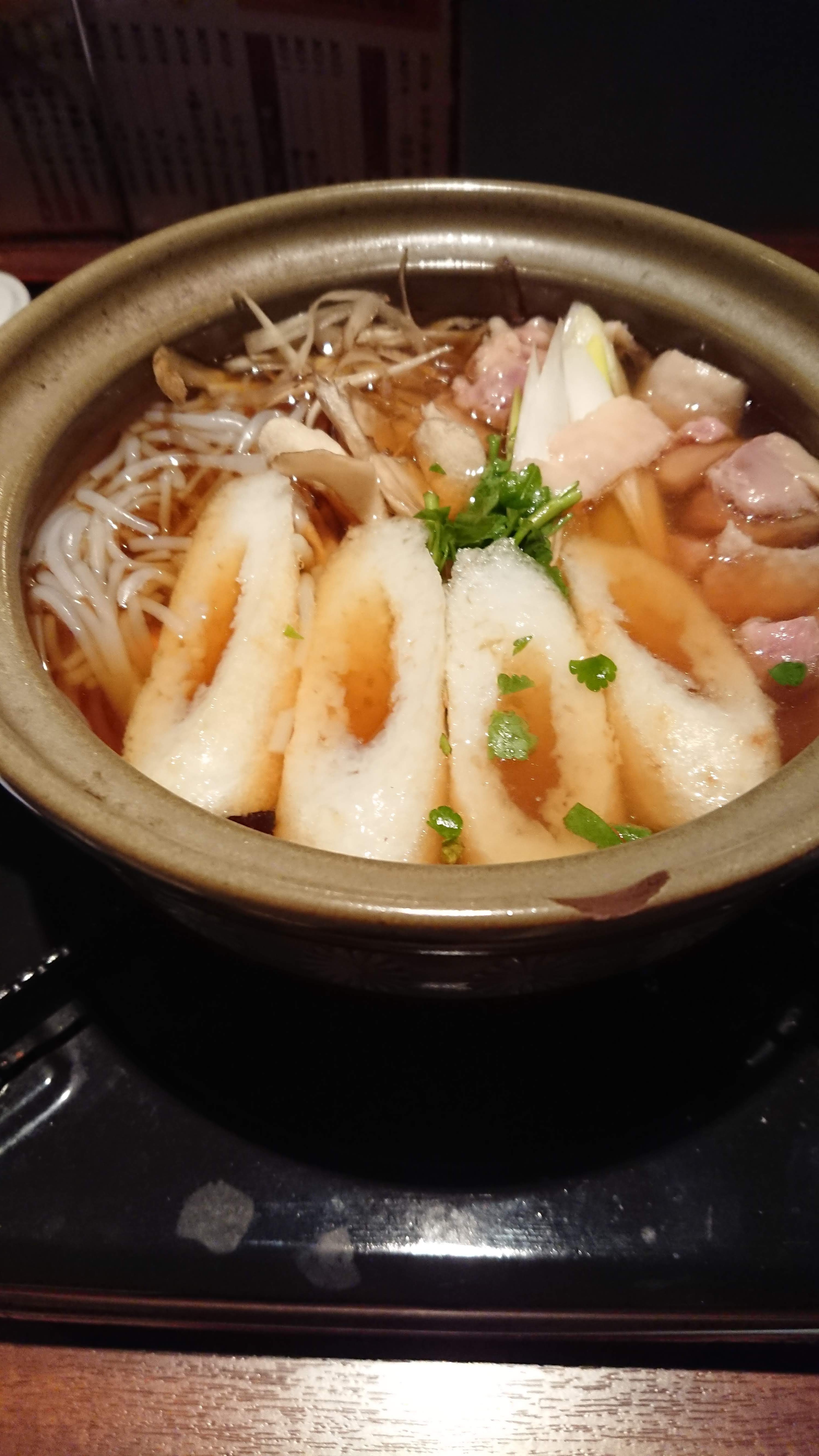
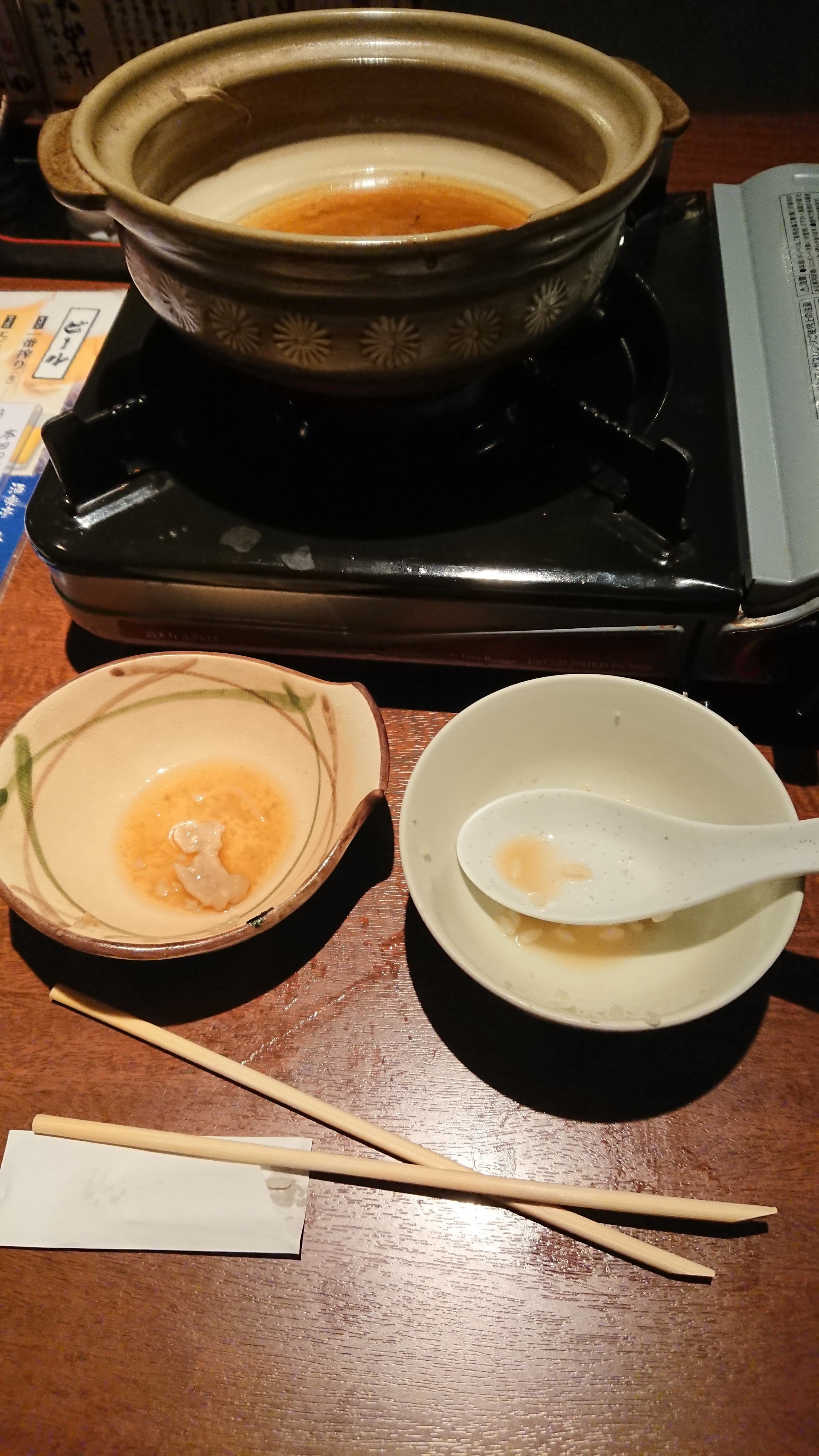
To use Railway parlance, time for a “splash and dash” 47minutes to have lunch. Bentos are great, but a seat that doesn’t move is a distraction from the relentless beauty of the scenery. Then you get food like this:-
Morioka – Aomori
Japan names its express train, now on the Hayabusa (peregrine falcon) , after changing from the Komachi (beauty), Tokyo – Niigata was Toki (crane), and Tokyo – Kyoto was Hikari (light)
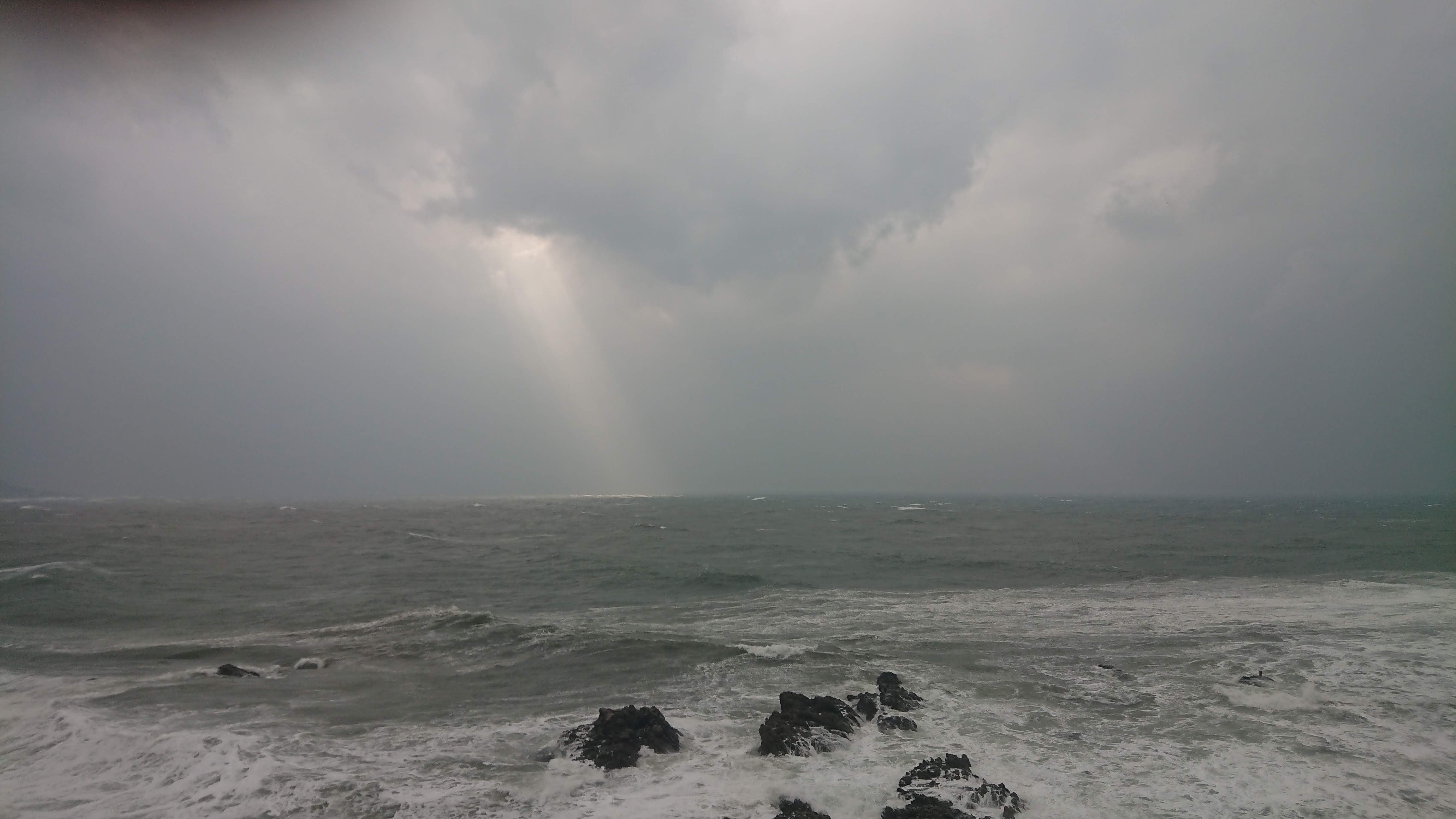
Which after rest to let food settle was about the only words I could find. At least 95% has been through tunnel or high fenced railway.
This is the first train I’ve been on that 1. has westerners onboard and 2. japanese are tourist type. We must really be in the wild north now.
Aomori – Hakodate
Those who look at the map might have noticed there is a bit of a gap bewtween the two islands. This is crossed by the Seikan Tunnel 33.5 miles long, 2nd longest in the world. Ours is 3rd. After changing at Shin-Hakodate we get on to a local train
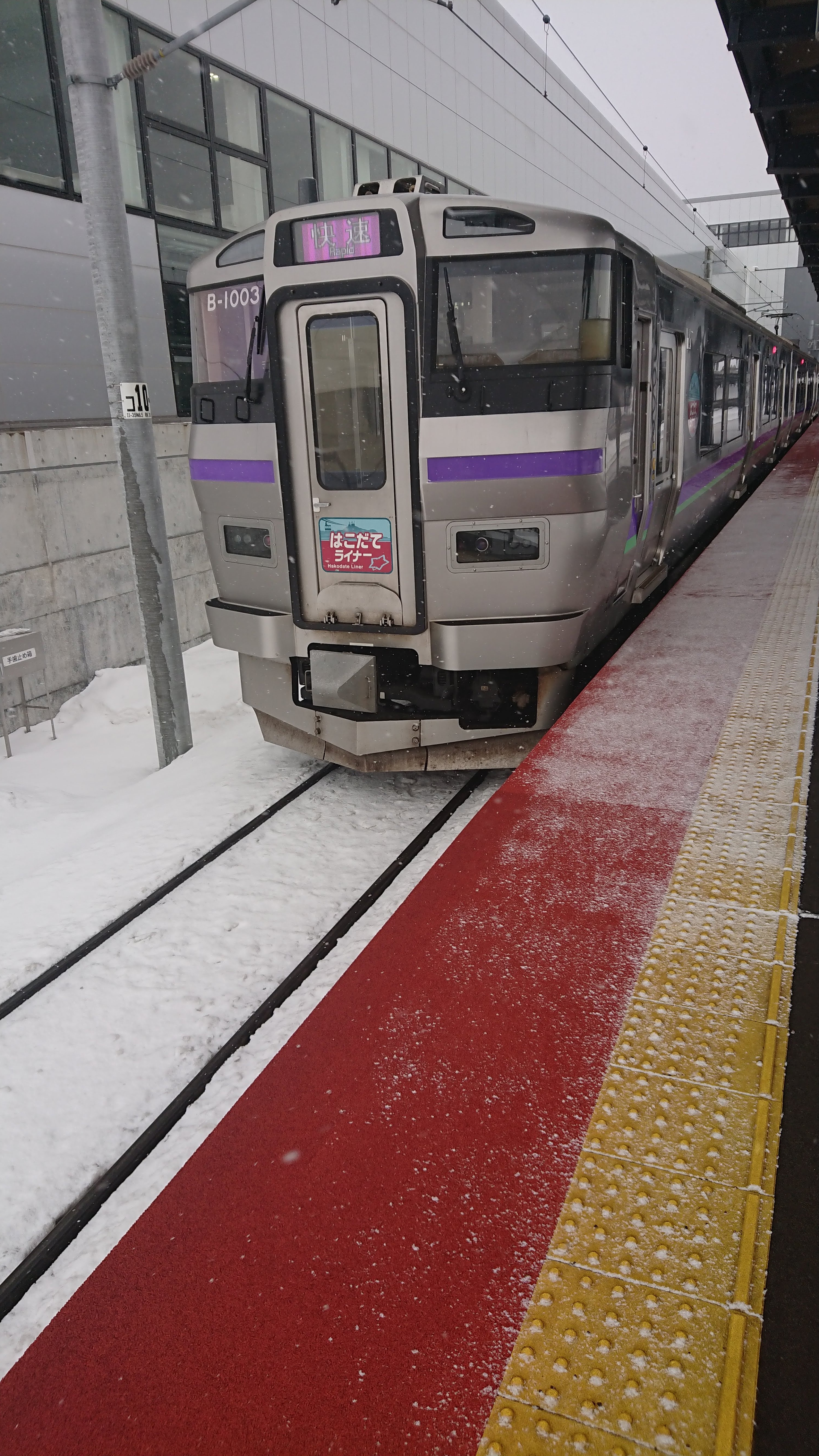
It is named Odearyme (oh heck love)
Hakodate
Adopt very best Palinese “Hakodate is a coastal port, over looked by a mountain. Visiting by cable car there is a fine observation lounge were can be viewed the squid fishing boats with their lights glittering against the ocean and the gaily lit bay side bars and restaurants with their welcoming hosts and fine beers and seafood”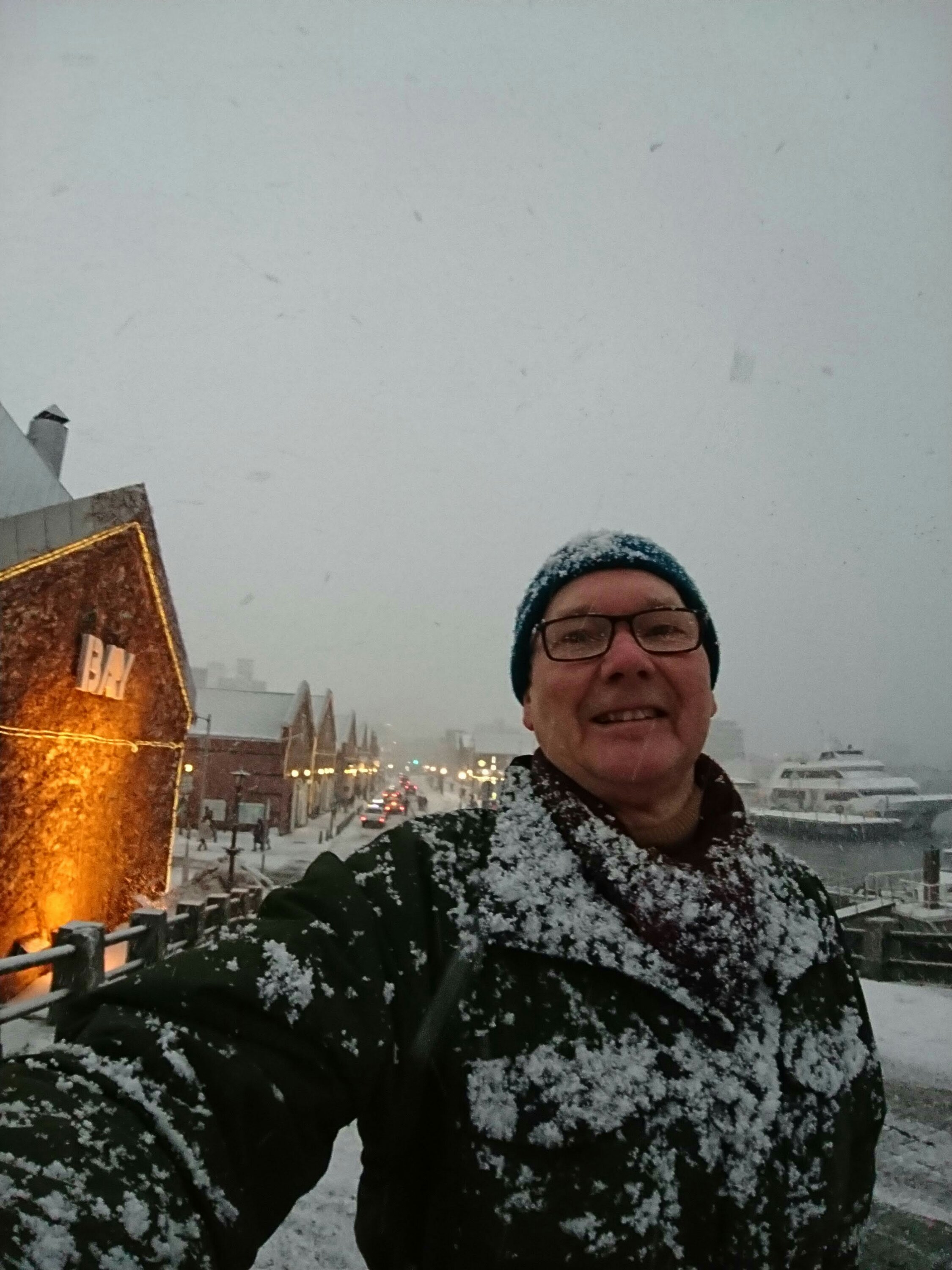 You could have fooled me
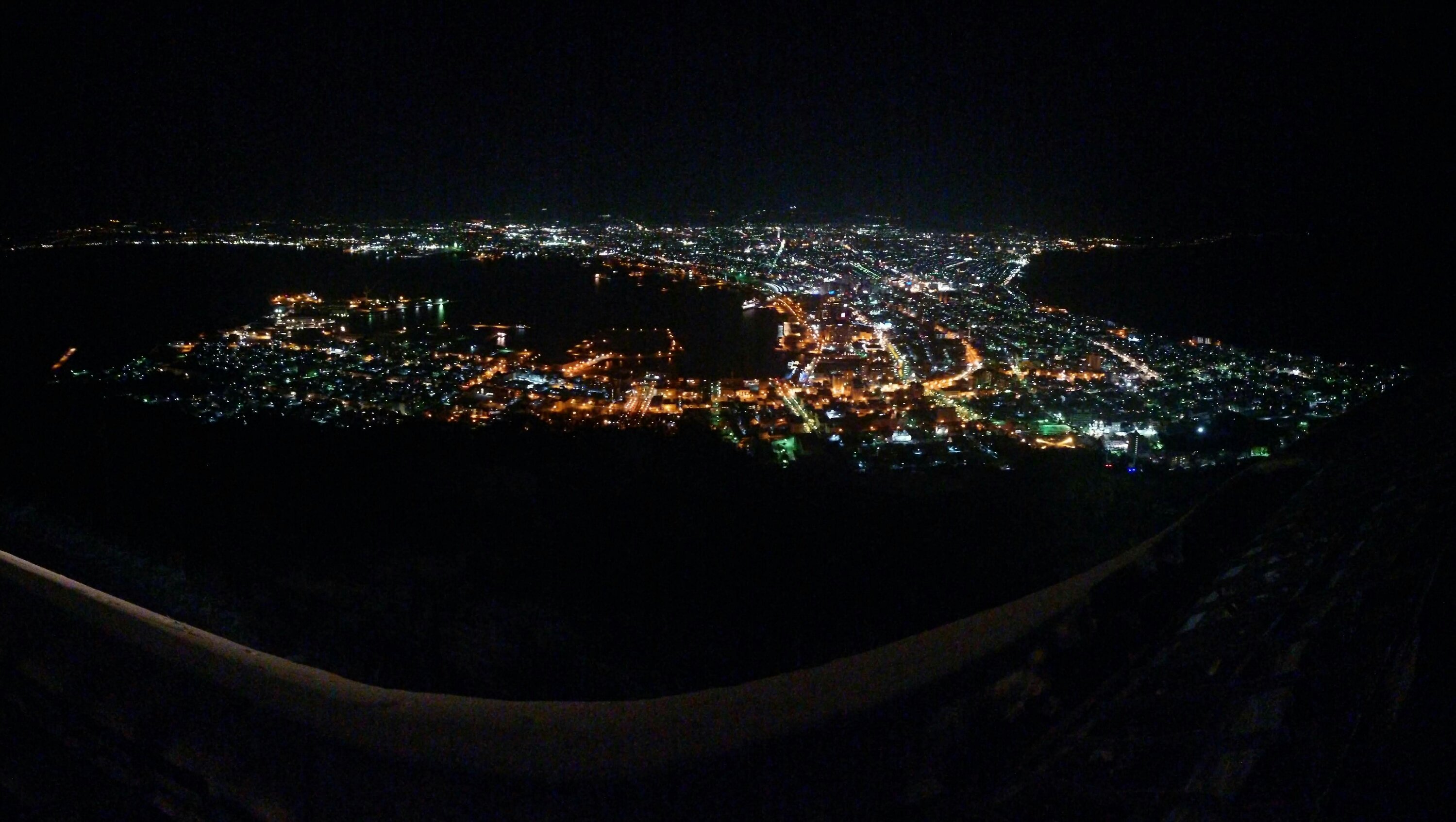 Not to bad in the end, Hakodate. Temperature dropped, skies cleared and you showed yourself. Taking of which….
Onsen
There is a little known word in Japanese, Inostare (inn-oss-tar-ee) it describes the action of watching what the locals do without being spotted. It applies in shops, restaurants, standing bars, whilst eating, drinking and queuing. But it mostly applies whilst you are in an Onsen. Onsens are a away of life going back longer than Shoguns, Temples, Tea Houses and maybe even Tullys.
Onsens are public bathing houses, usually built around hot springs and they have their own set of rules that are strictly adhered to.
Among those are, no clothing, no tattoos, no sleeping, no swimming, no washing of hair, no towels in the water and no talking.
You enter via a curtained entrance way, blue for men. There you remove all footwear. Lockers or baskets are provided for all your clothes. You get two towels, one for drying and one the size of a flannel for modesty. Naked you go through a sliding door in to the steamy Onsen proper. To one side is a line of stools like upturned buckets in front of a tap and shower head assembly with a bowl. Provided are shampoos, liquid soaps and conditioner. On the other side is the pool, natural looking with rocks, ferns, waterfalls and steaming hot water. Before entering your must use the afore mentioned taps and showers, sat open legged on your bucket, covering yourself in a sticky soap that keeps its lather as you wash, thourghly rinsing after using bowl and shower head. Only when this is done, do you enter the water. It’s hot, the thermometer reads 45°c . And here you lie, contemplating life and how lucky you are, with your modesty flannel perched on the top of your head . Further pools are available, a freezing plunge pool, large cask ones with different waters in and in one I visited had an outside pool that had snow flurries around your head it was on the 13th floor of my hotel!
After your soaking you repeat the wash before rinsing then back to the dressing room. On a quick visual inspection I looked something like a cherry crossed with a prune, and a little light headed. Provided in the dressing room are combs, brushes, cotton wool buds, razors and all the liquids associated with those items, gels, after shave, and hair tonics. I had more use of some than others.
Thankfully cameras are also not allowed.

 Trip to Japan